When you want to know what year your BSA is, always keep in mind that at The BSA the “modelyear” was from about mid August until next year mid July. Though this is not equal to the calenderyear. In several cases this realy makes a lot of difference, as parts changed a lot. This is why I always speak about the “modelyear” of your BSA and not the year it was actually made.
A brief story of pre-1930 period (for which I am consultant to several BSA Owners Clubs);
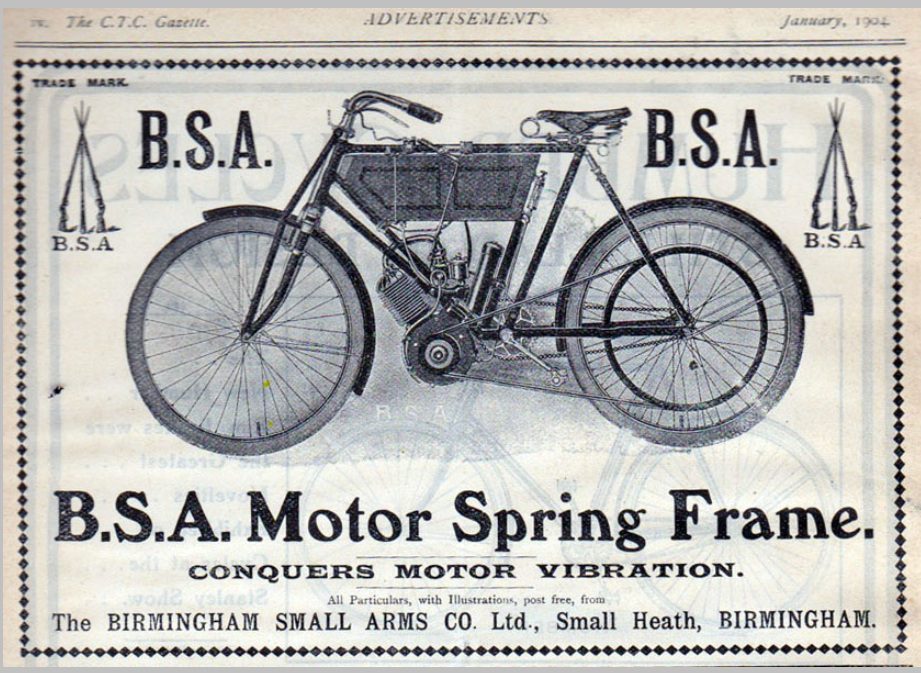
From 1904 it was possible to have completed a “rolling-chassis” with BSA components/frame-lugs, but the engine was of a different make anyway. The Belgium / Antwerp make Minerva was used, but also samples with JAP, Fafnir (Aachen/Germany) and the Moto-Reve (Geneva/Swiss) are known.
October 1910 BSA presented its own complete 500cc/sv motorcycle to the press.
For 1912 there were the A (single speed, like 1911), B (2speed in rearhub) en C-model (2speed rearhub and freewheel).
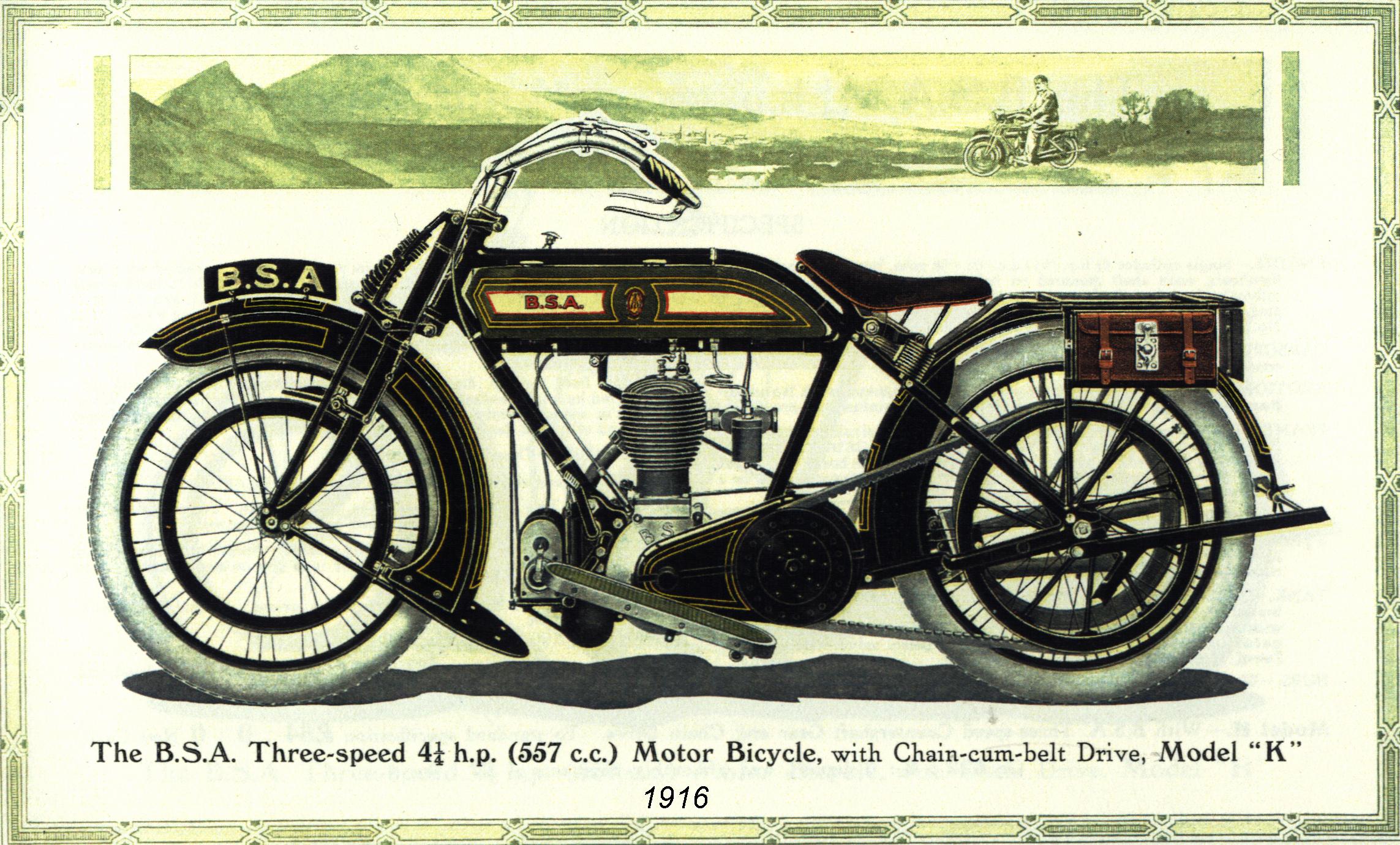
The 1913 models got the pear-shape cylinder barrel due to the other shape of fins. Also typical for these models is the name on the tank as the capitals are “italic”. Also a model D-TT and E (3speed) was added to the range. The new 1914 models H (all-chain) and K (chain-cum-belt) with the 3speed gearbox and internal clutch remained the same till 1920, also because of WW-I. In those years most labour was put into the guns-production.
For 1914 BSA also made a “step-aside” by producing 5,000 engines 118cc for the Wall AutoWheel.
Mid 1919 the first BSA V-twin model 770cc/sv was introduced.
Also in 1919 “BSA” was split up in BSA Cycles Ltd. (Small Heath, the motorcycles), “cycles” and BSA Tools Ltd. at Redditch, while Daimler-cars (since 1910 in the group) remained at Coventry.
I mention 1919 especially, as you can see that by means of this the tanksticker on a pre-1919 BSA should not mention BSA Cycles Ltd.!!
A note to above; In July 1941 the “winged” BSA-name was lauched for the dealers and public, while it was 1953 when BSA Motorcycles Ltd was founded. Though when you restore a time related BSA keep in mind what stickers you use !!
The year 1921 is most known of BSA’s big disaster in the IoM race, where they entered with 6 new developed bikes, of which none got to the finish-line. Due to this BSA withdraw from racing for several decades. For that year the models H and K were altered completely (engine, frame & forks etcetera) and became the H2 and K2.
For 1922 the 1,000cc/sv V-twin was added to the range, followed in 1923-1924 with the new 350 and 500-models (based on the H2 and K2), but also the 250cc/sv Round Tank was introduced.
The whole 1927 range changed as all models got drumbrakes (instead of rim), but also the enginebottom-ends changed and at the flat- and round-tank the drip-feed control at the tank went to the rh-side of the engine near the magneto-drive. The 1927 models were rather identical for 1928. However for that year the A28 (174cc 2stroke) and also the S28 OHV (the later well-known BSA Sloper) were introduced.
All 1929 models (except the 770cc deLuxe and 1,000cc V-twins) got the sadle-tank instead of the “flat-tank”, also for that year the Sloper models 350cc/ohv and 500cc/sv were introduced. This brings me to the end of this brief story. Much more can be said, we keep it as this far. !!
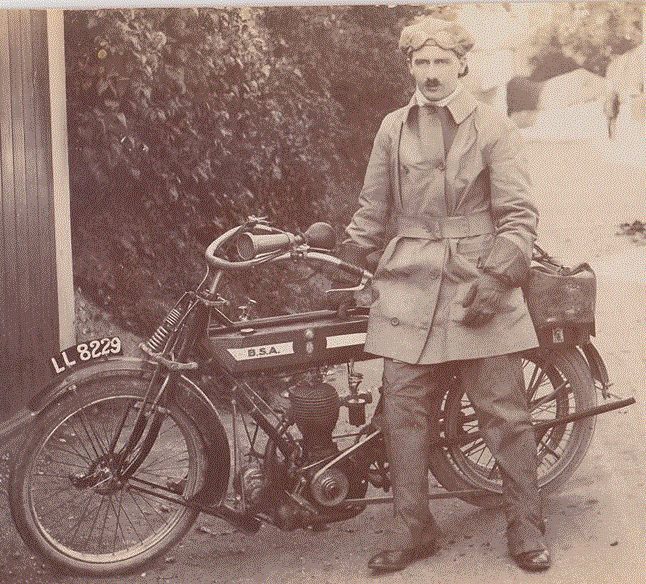
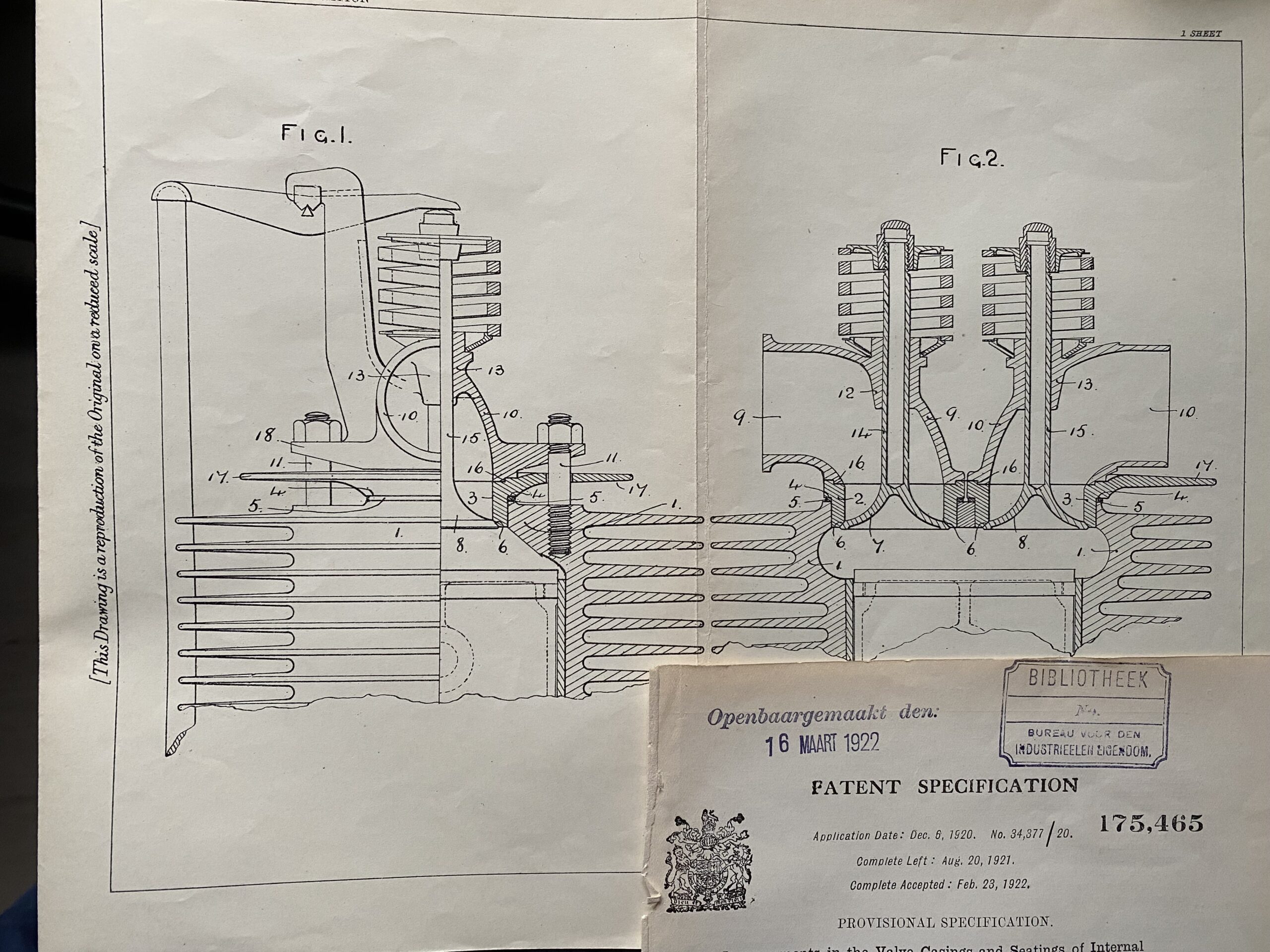
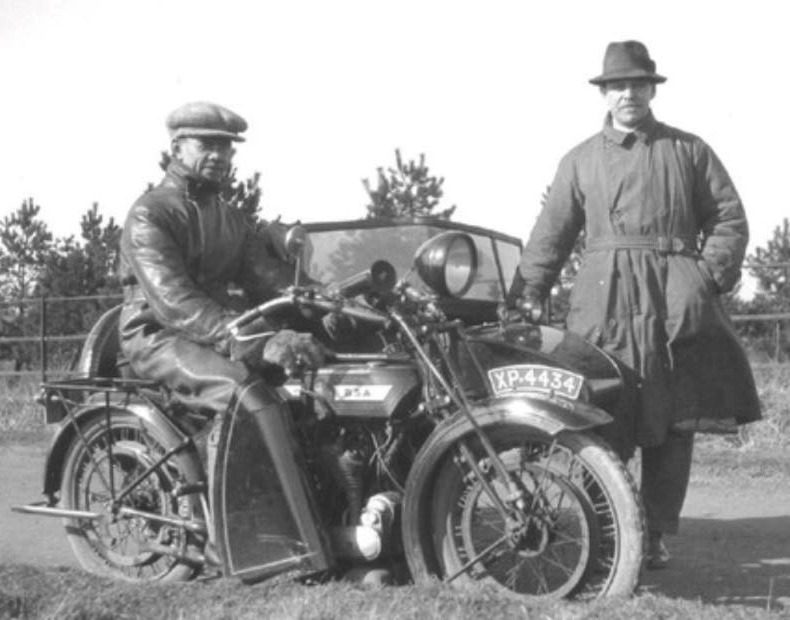
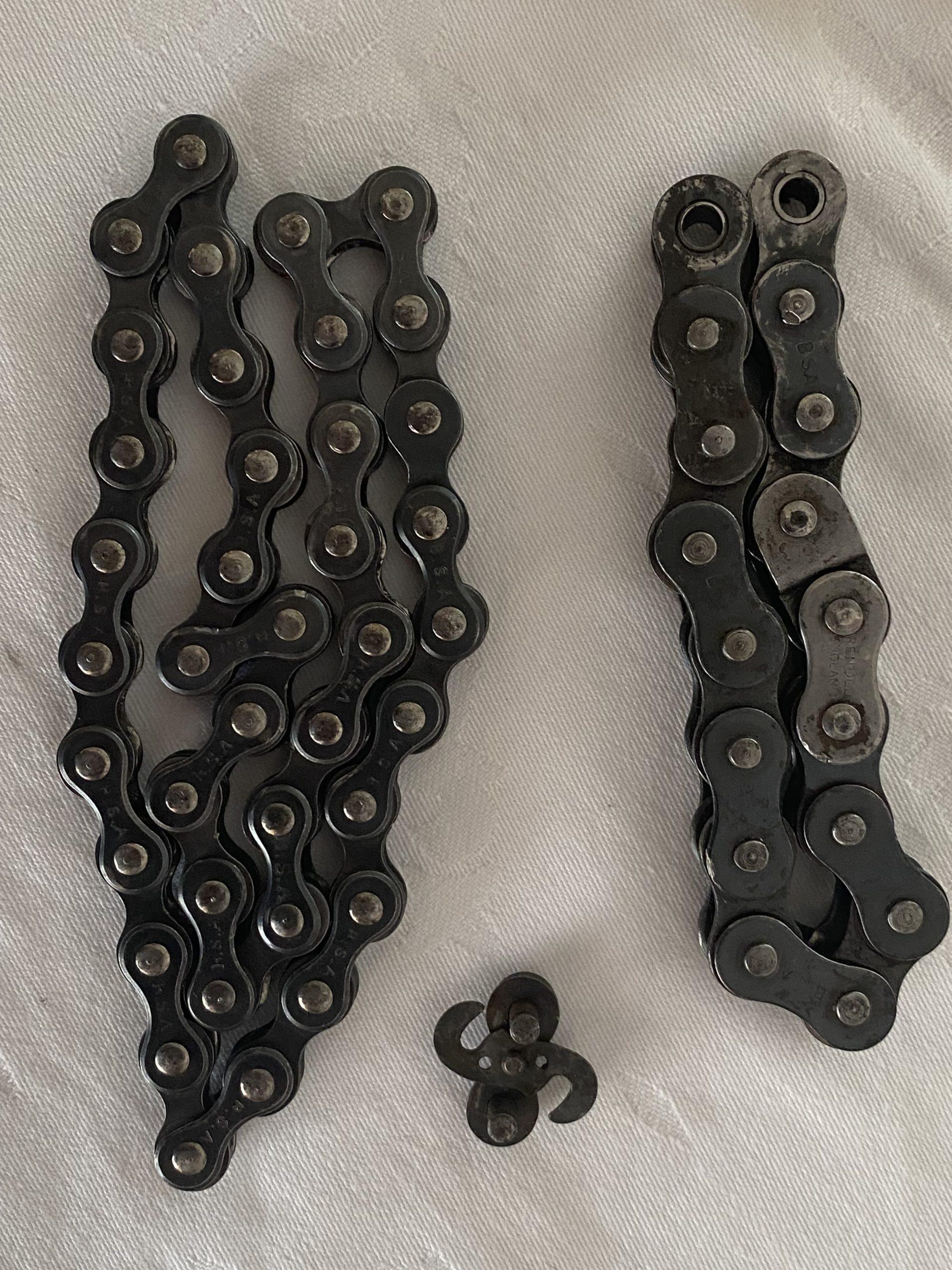
Regarding the pictures below, I have used several time-period pics which I think gives you a correct impression. I have catalogues etcetera from 1903 up to WW-II, but I prefer these to look at.












 Save as PDF